BUILT WITH TATTOO ARTISTS. ROOTED IN JAPAN.
Tachibana Co. started because Takumi Furukawa couldn't find a birthday present for his dad. Eight years later it's something else entirely.

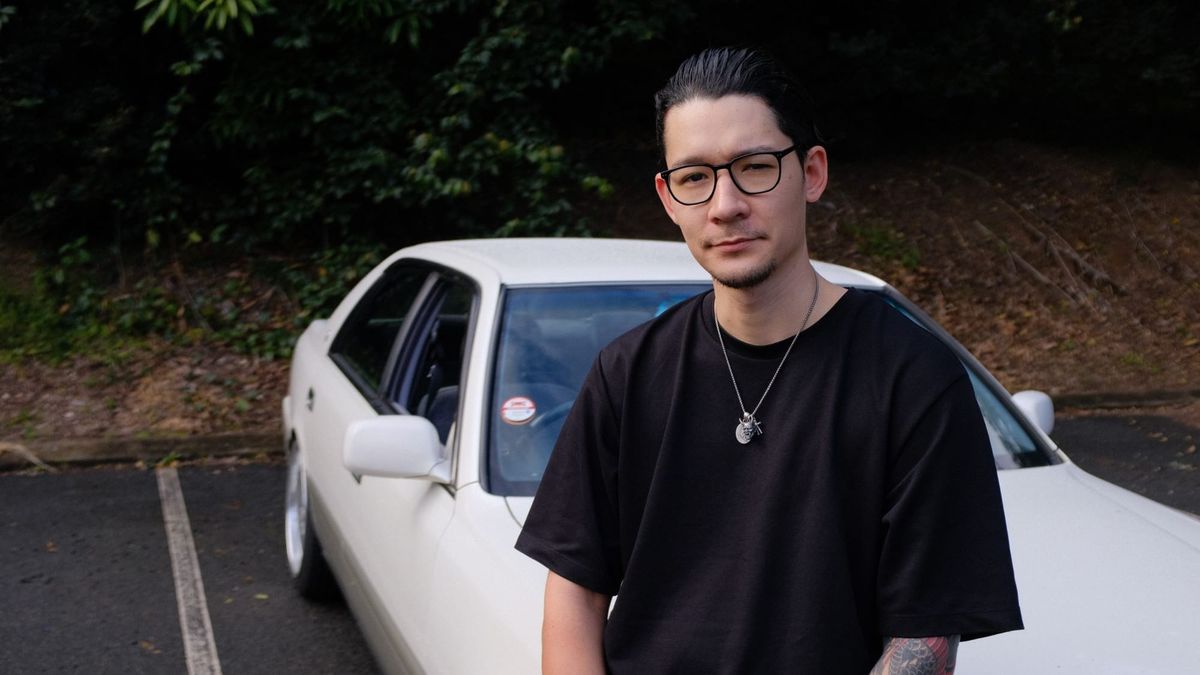
Disclosure: I shoot photography and content for Tachibana Co. through ASTER Media FNQ. I never take off the reversible turtle and crane pendant — but that's because my wife made it, which I'll get to. I'm writing this because the story deserves to be told, and my involvement is exactly why I'm the right person to tell it.
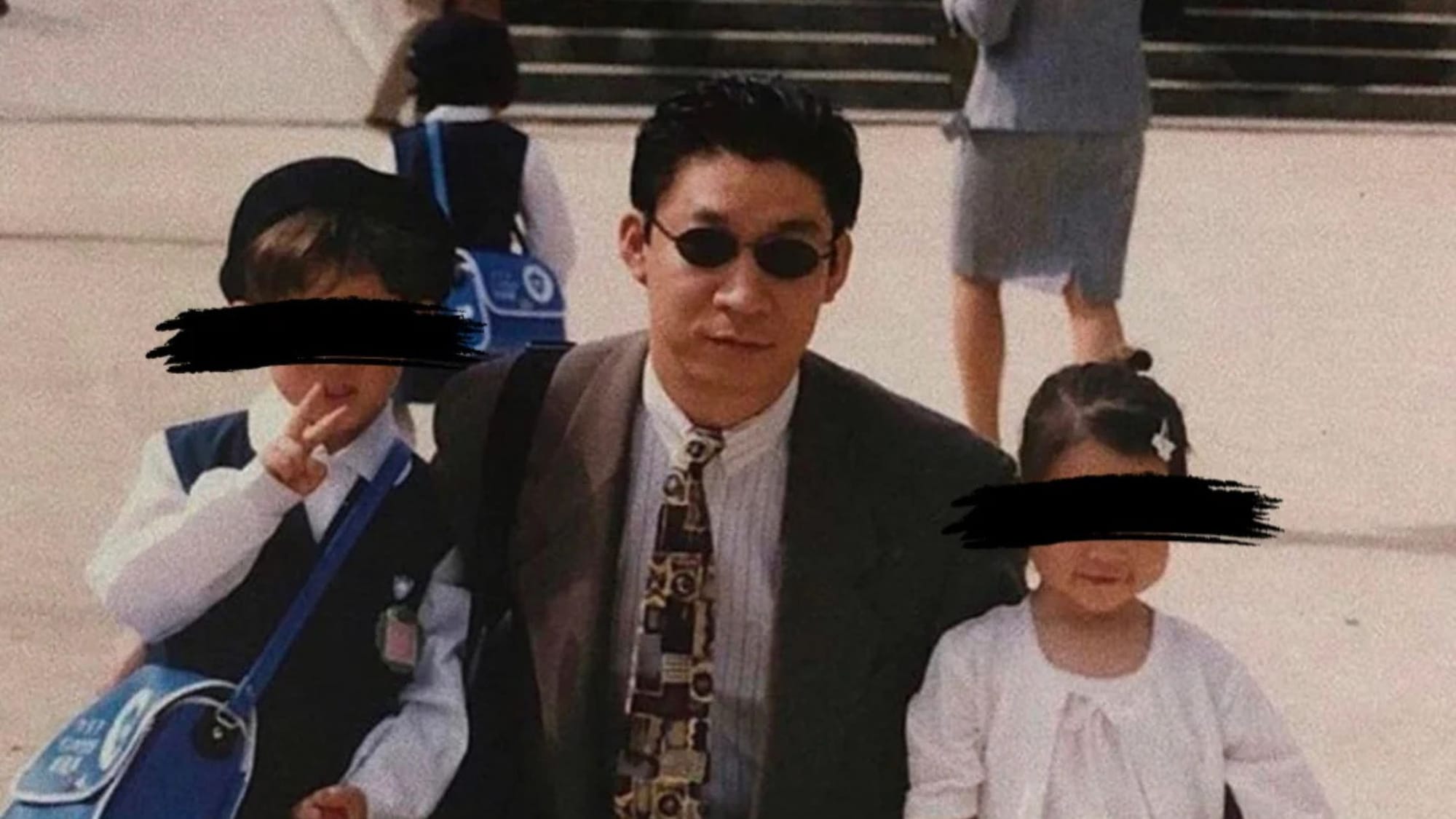
When Takumi Furukawa was a kid in Osaka, his dad used to take him to a family-owned onsen near his nan's house. Traditional Japanese hot spring. Wooden interiors. Steam. The quiet of a place that has existed in the same form for generations.
The older men who walked in had full Japanese body suits. Some were missing fingers. Looking back, he thinks they were probably yakuza. He was a kid in a bathhouse full of men whose entire life stories were written on their skin, some of them literally incomplete, and he was completely fascinated.
"I didn't understand the meaning behind the tattoos then," he says. "But those images never left me."
They haven't. Everything Takumi has built since traces back, in one way or another, to that room.
Tachibana Co. is a Japanese heritage jewellery brand based on the Gold Coast, Australia. Silver amulets, pendants, rings — each piece pulled from Japanese folklore and cultural history, researched before it's designed, built to carry meaning rather than just look good. It is not, to be clear, the kind of jewellery brand that names a chain after a vague concept and calls it philosophy. The research actually happens. The meaning is actually there.
It started in 2016 because he couldn't find a birthday present for his dad. He wanted something genuinely Japanese — not a souvenir, not a novelty, something that actually represented where they came from. He couldn't find it. So he made it.
"I never planned on starting a jewellery brand," he says. "It just kind of happened."
The name came two years later. He went back to Japan to celebrate turning 20, spent time with his nan, and somewhere in the kind of conversation that only happens when you're old enough to ask the right questions, she showed him their family crest. The Maruni Tachibana.
"The moment I saw it, everything just clicked," he says. "It wasn't just a cool symbol. It was a connection to my family, my heritage, and where I came from."
He built the brand around it. Every piece since has carried that thread.
Takumi moved to Australia as a young man and discovered what a lot of people discover when they leave home: you don't fully understand where you're from until you're somewhere else.
Going to shrines. Visiting temples to pray for ancestors. Normal parts of life in Osaka — so normal he never thought much about them. Gone, and suddenly significant.
"Living away from home made me appreciate Japanese history, spirituality, and craftsmanship on a much deeper level," he says. "That's really how Tachibana Co. started. I wanted to reconnect with my roots and share the beauty of Japanese culture with others."
I've watched this up close. Being half Papua New Guinean myself, I understand something of what it means to carry a heritage that isn't always visible in the world around you — the pull of a culture you love, the responsibility of representing it honestly. That shared instinct is part of what makes working with Takumi feel like more than another gig. That and the fact that he's equal parts perfectionist and absolutely unhinged about getting things right, which is a more useful combination than it sounds.
The relationship between Tachibana Co. and the tattoo world isn't incidental. It's foundational.
Takumi got his first tattoo at 18 — Oniwakamaru on his ribs, done by Sou Tattoo (@soutattoo). Not long after, Sou completed his sleeve: a dragon with Osaka Castle on his forearm. The collection has grown since — a crane chest piece by Anthony Waters (@anthonywaters_tattoo) at Mushin Tattoo (@mushintattoo), a Juzu bracelet by Brandon Kelly, his family crest on his upper back, Kokūzō Bosatsu's Bonji behind his ear. He plans to finish everything eventually with a Fudō Myōō back piece. The man is committed.
It started in that onsen. Getting tattooed himself was, as he puts it, a natural step.
"Getting tattooed has given me a whole new level of respect for the craft," he says. "You realise how much time, trust, and dedication goes into every piece."
That respect is what the collaborations are built on. It's not networking. It's not brand synergy. It's what happens when someone who genuinely loves tattooing decides to work with people who feel the same way about what they make.
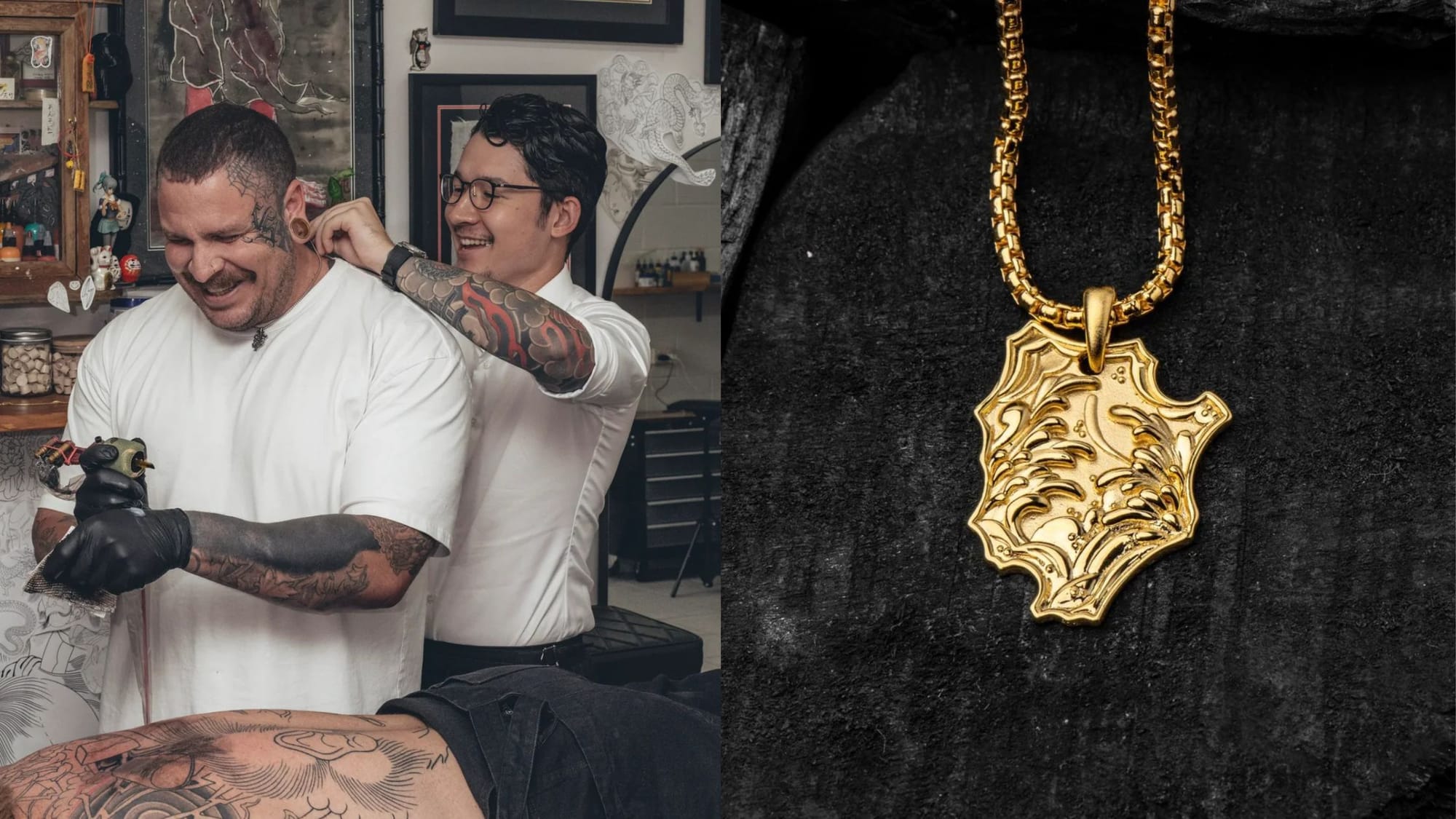
Anthony Waters at Mushin Tattoo was first — twice now. "We just clicked straight away, not only creatively, but also in the way we think about meaning and philosophy," Takumi says. "We both believe that art should tell a story."
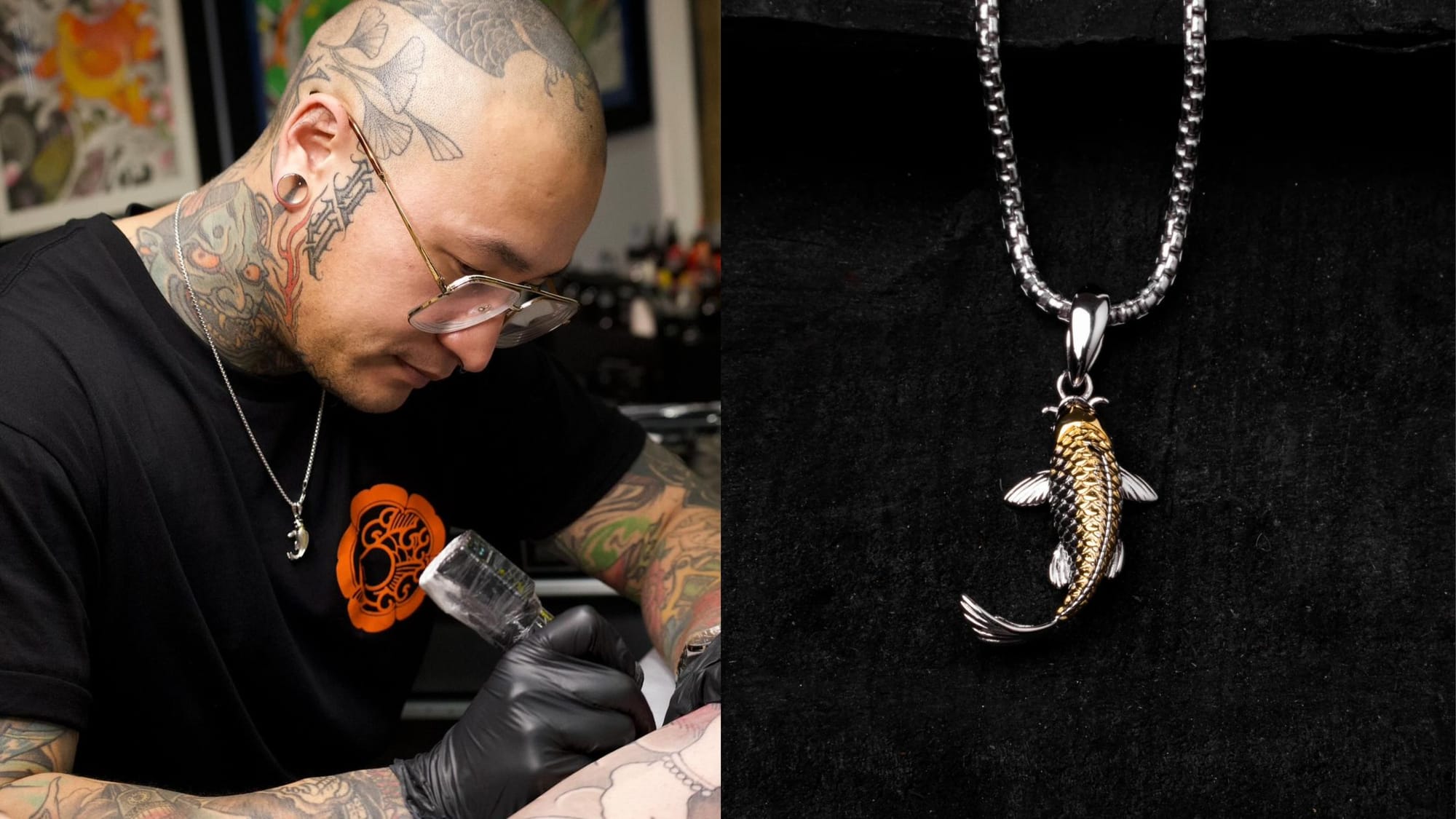
Dickfish (@dickfishh.tattoos) followed — a koi fish pendant for the first drop, traditional Japanese design executed with the deadpan commitment Dickfish brings to everything. A second collab is already in development. If there's any justice in the world it will be an actual wearable dickfish.
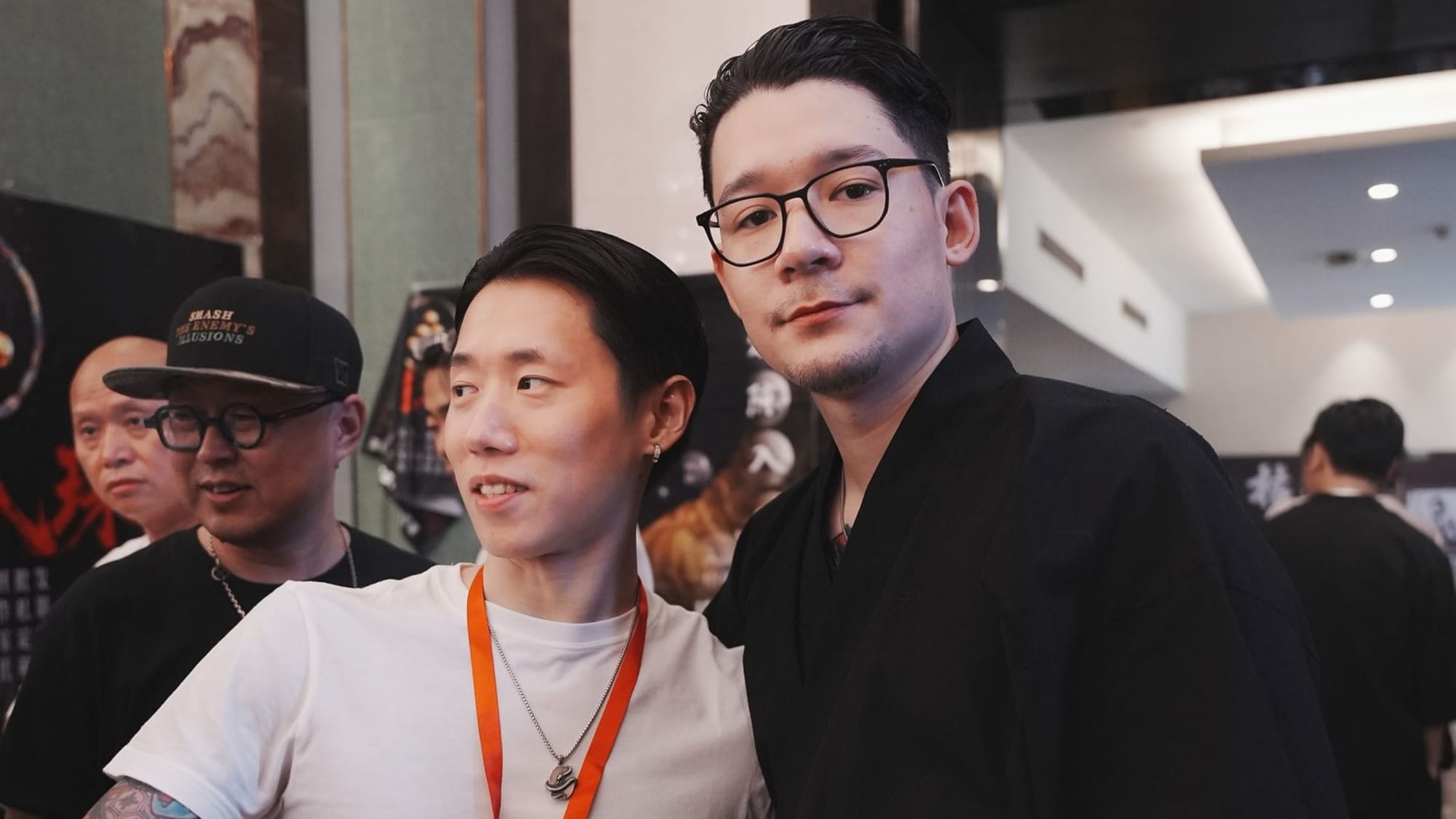
Then Yakuza Sensei (@yakuzasenseiofficial), whose relationship with Japanese tattoo culture made the whole thing feel inevitable. Then George Tattooing (@georgetattooing) — Tachibana Co.'s first female tattooist collaborator, and the one I'm most qualified to talk about given I was in the room watching it happen.
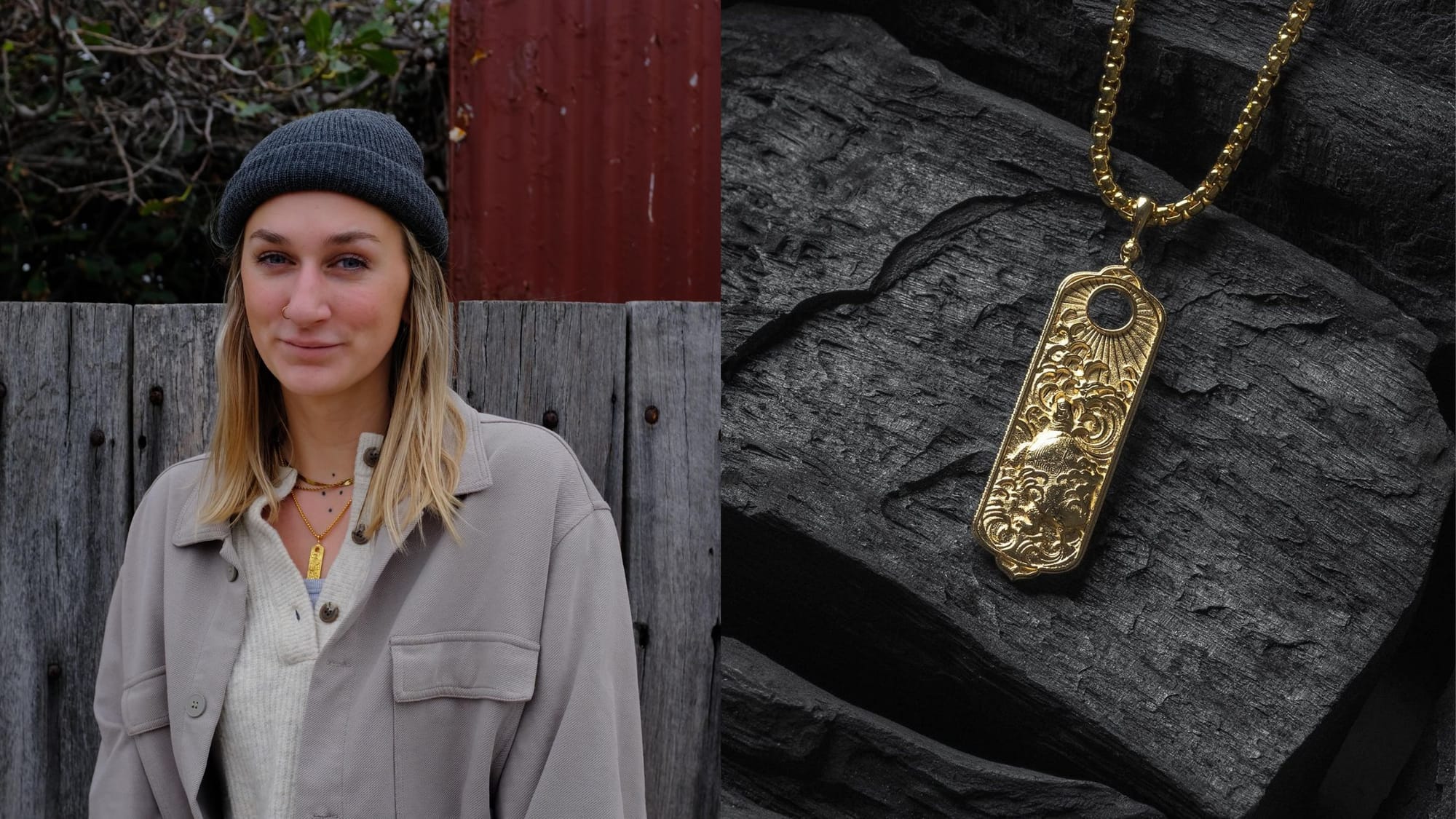
Two perfectionists trying to get something right is a specific kind of chaos. Ideas get floated, pulled apart, rebuilt. References get sent back and forth. The design that emerges from that process is different from anything that comes out of a brief. It carries the friction.
The result is a reversible turtle and crane pendant — two symbols of love and longevity, two different designs on each side, essentially two pieces of jewellery in one. And then there's the detail that makes it genuinely interesting: the sun in the scene is hollow. Your skin becomes the sun. Whatever colour shirt you're wearing, whatever your skin tone, you become the giver of light to the whole composition. The wearer isn't just wearing the piece. They're completing it.
I never take mine off. But like I said, my wife made it. Biased, but not biased
The thread connecting all the collaborations isn't style or follower count.
"I want to work with artists who genuinely respect Japanese culture and care about the meaning behind what they're creating," he says. "Not just how it looks."
Collaborations begin with a conversation. Research follows. Then sketches, CAD, samples, revisions. Sometimes a dozen changes before it feels right. "I never want a collaboration to feel forced or like we're just putting two logos together," he says.
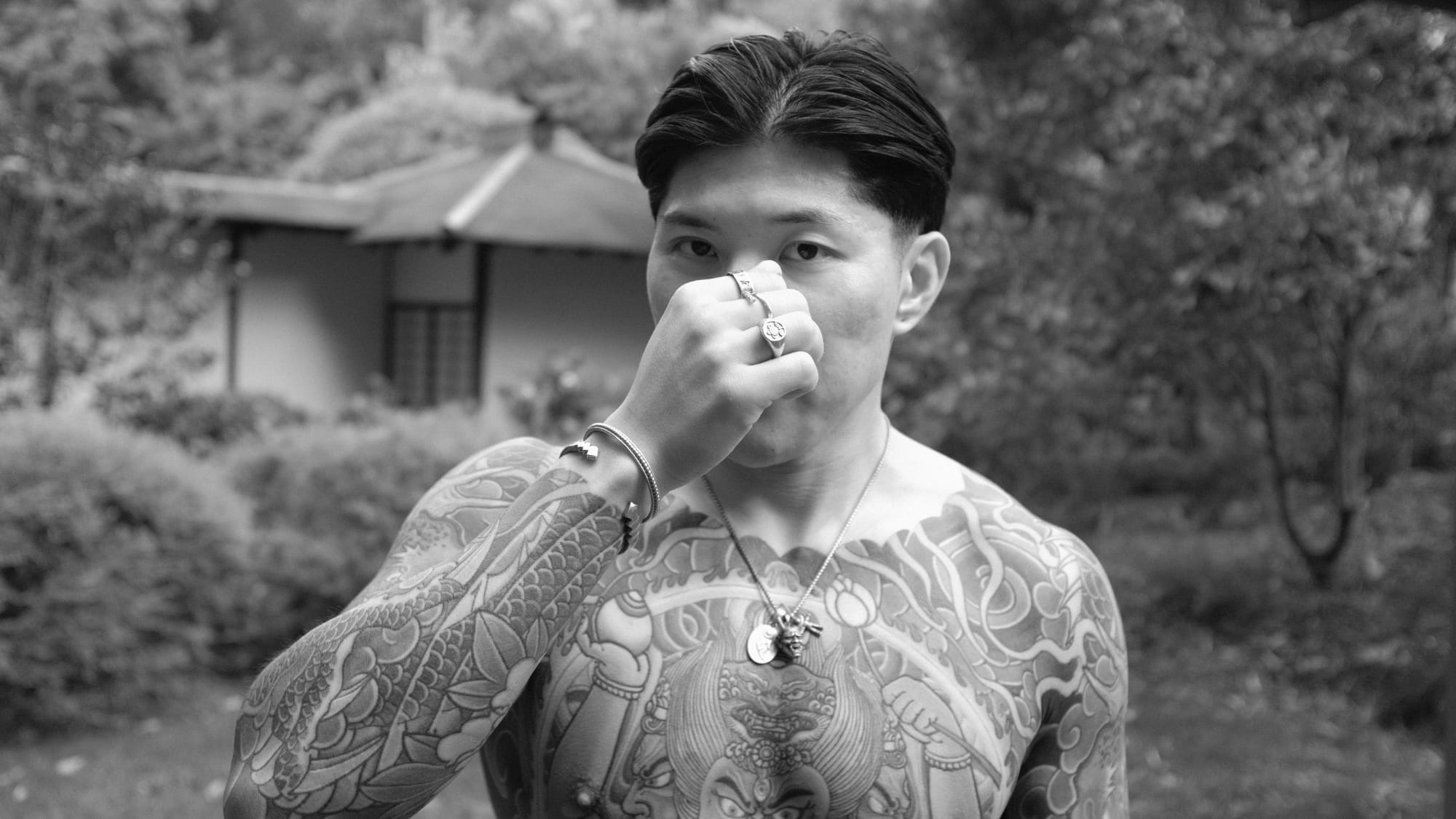
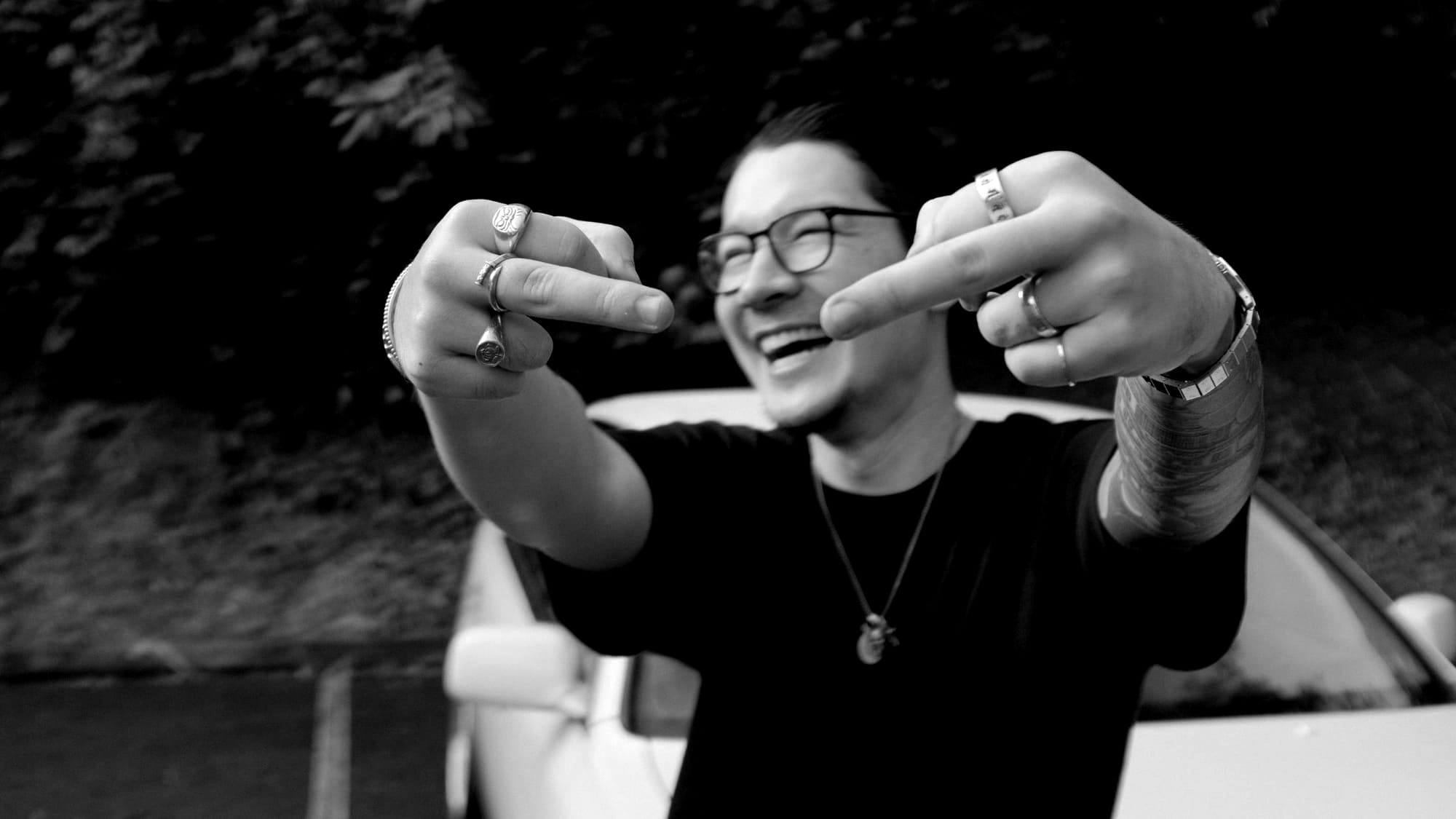
Ken (@knjm.bttn_) is Tachibana Co.'s model. Not because he looks the part — because he lives it.
I've shot him chainsmoking durries in a bathtub full of water styled like a hard yakuza mob boss. Hanging out of a moving car in handcuffs. Wielding samurai swords — in hindsight we probably should have used props, given that Ken once stabbed his own foot, which is commitment to the craft in a way nobody planned for. I've also seen this man in a Japanese loincloth more times than I'd like to admit. And in his natural element at Victorious Muay Thai gym in Brisbane, post-training, looking like he's considering his next career move. He commits to the bit every time, occasionally at his own physical expense.
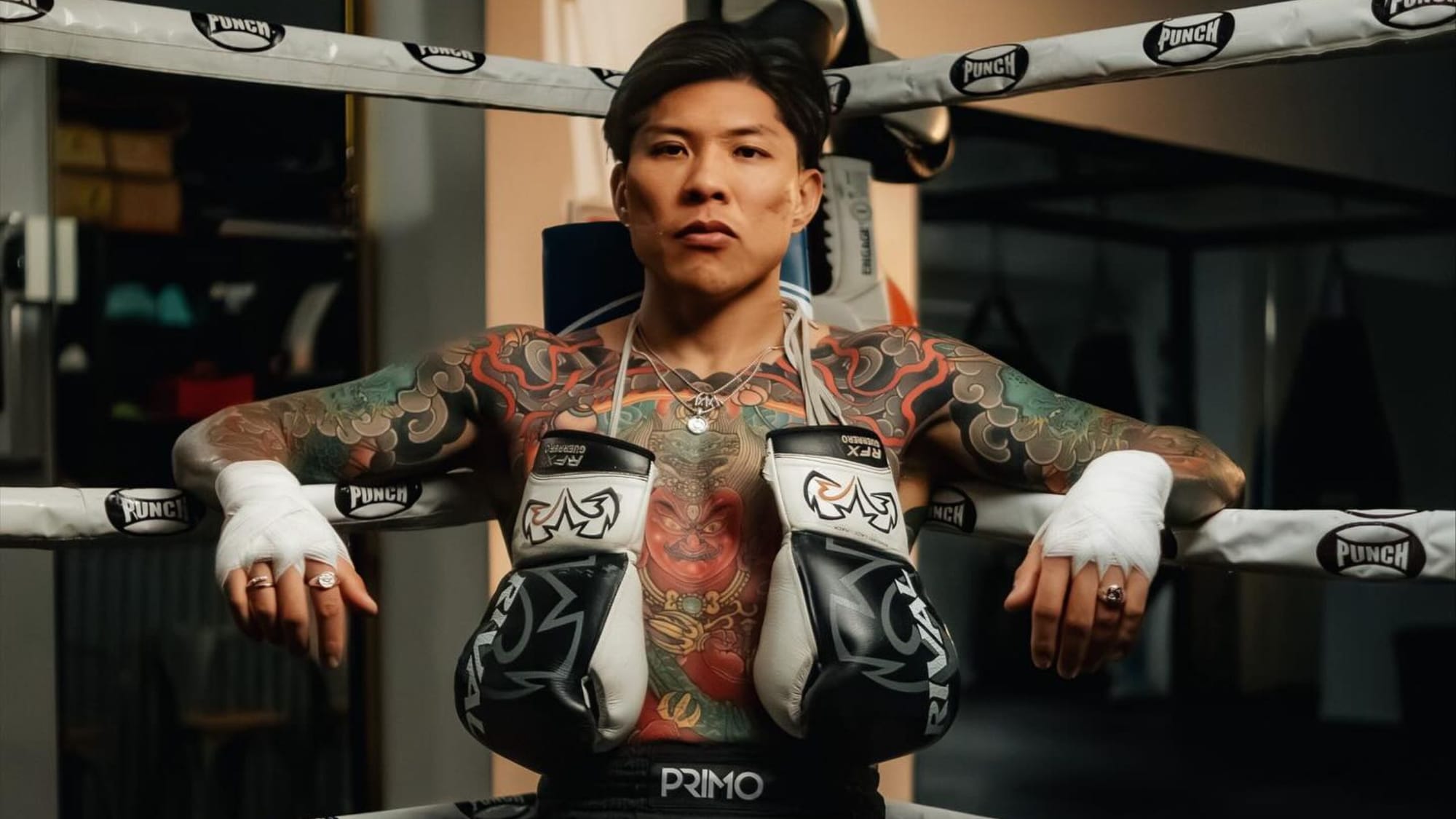
His full Japanese bodysuit, done by Sou Tattoo across multiple full-day sessions in Korea, started as a decision that became a discipline. The commitment required to sit for work at that scale carried into everything else — the training, the consistency, the kind of focus that doesn't just change a body but reshapes a person. His tattoos aren't decoration. They're the visual record of who he decided to become.
The circle is tighter than it looks from the outside. Sou tattooed Takumi's first piece. Years later, Sou tattooed Ken's entire body. Now Ken is the visual face of Tachibana Co. These aren't coincidences. They're the shape of a community built around the same values — immersion, commitment, craft taken seriously and seriously good tattooing.
The piece Takumi is most proud of is the Daruma Collection.
The Daruma is a Japanese talisman — a round, weighted doll based on the monk Bodhidharma, designed to be knocked over and right itself. A reminder of resilience. You paint one eye when you set a goal. The other when you achieve it.
"Life gets busy, and I think a lot of us lose sight of the goals we set for ourselves," he says. "Whether it's the Daruma amulet or the ring, the idea is that you carry it with you every day. Every time you look at it, you're reminded of the goal you made to yourself and why you started in the first place."
It's the piece that best captures what Tachibana Co. is actually trying to do. Not sell jewellery. Create objects that mean something — objects with a story deep enough to pass down, to survive beyond the person who bought them.
"A tattoo stays with you forever, while jewellery can be taken off," Takumi says. "But people choose both for the same reason. They want to carry a story, a memory, or something they believe in."
Then the thing that jewellery can do that tattooing can't.
"It can be passed down. A tattoo becomes part of your own story, but a piece of jewellery can carry that story on to your children, grandchildren, or someone you love. It becomes part of your family's history."
In ten years, Takumi wants Tachibana Co. to be a gateway. Not a brand that sells you Japanese aesthetics — one that sends you somewhere. Into a book. A shrine visit. A conversation with someone who knows more than you do.
"If someone buys one of our pieces and it sparks their curiosity to learn something new about Japan, then I feel like we've done our job," he says.
He's measured about what that means. He doesn't see himself as representing all of Japanese culture — that would be impossible and he knows it. What he can do is share it through his own lens. His nan's family crest. The onsen of his childhood. The first tattoo that felt like a natural step after years of quiet fascination.
"I'm just trying to share a little piece of Japan in a way that feels authentic to me."
That's all. Just a little piece of Japan, turned into silver or gold, carried wherever you go.
Tachibana Co. (@tachibana.co) is available online and through select collaborations and events. Photography: Keith Lo / H86 Studios. Content: Tyson Beable / ASTER Media FNQ (@tyson_beable).